 Pin it
 The first time I decided to decorate a cake with pressed edible flowers, I found myself grinning at a kitchen table covered in petals, powdered sugar, and a slightly impatient cat. There was something unexpectedly joyful about arranging the blossoms, their colors drifting across the counter as sunlight streamed in and the lemon curd cooled on the stove. Each step had its own mood: the soft, sweet aroma of butter creaming, a zesty cloud rising from grated lemon, and the reassuring hum of the mixer balancing it all. Though the idea started as a whimsical treat for spring, the finished cake felt like a piece of the garden brought inside. Now, making this cake is as much about savoring the process as the final slice.
I remember bringing this cake to a backyard brunch just as the magnolias bloomed—they gave me the courage to try new things with decoration. I had prepped the sponge the day before, letting it cool overnight to avoid the frantic rush I usually feel when trying to build layer cakes. Friends gathered, curious about the floral-covered cake, and the conversation turned from recipes to childhood games. Someone asked how I got the flowers to stay, and, hiding my nerves, I showed them gently pressing with an offset spatula and a steady hand. We laughed about the edible garden on the dessert table, but every slice disappeared before the lemonade was poured.
Ingredients
- Unsalted butter: Softening the butter makes creaming with sugar easier, and always brings out the sponge’s delicate texture.
- Granulated sugar: Whipping sugar until fluffy gives the cake structure and keeps it light.
- Large eggs: Room temperature eggs blend better and ensure the batter stays smooth.
- Vanilla extract: Adds a mellow warmth that balances the lemon zest’s brightness.
- All-purpose flour: Measure carefully for the perfect tender crumb; a little sift prevents clumps.
- Baking powder: Gives rise and a subtle airiness that’s key for layered cakes.
- Fine sea salt: Just a touch sharpens all the other flavors; never skip it.
- Whole milk: Use at room temperature for best absorption and avoid a curdled look.
- Lemon zest: Fresh zest infuses both cake and curd with gentle citrus perfume—don’t skimp.
- Freshly squeezed lemon juice: The zingy acidity is essential for curd, so use the juiciest lemons you can find.
- Powdered sugar: Helps the whipped cream stay smooth and sweet without graininess.
- Heavy cream: Chilled cream whips up stable and fluffy—don’t shortcut the cooling.
- Pressed edible flowers: Use flowers you know and trust; a slow press between parchment is worth the wait for safe, stunning decoration.
Tired of Takeout? 🥡
Get 10 meals you can make faster than delivery arrives. Seriously.
One email. No spam. Unsubscribe anytime.
Instructions
- Prepare your pans:
- Grease and line two round cake pans with parchment, letting the paper hang just slightly over the edge for easier unmolding.
- Cream the butter and sugar:
- Turn your mixer to medium, letting the butter and sugar blend until pale and fluffy as clouds, about three minutes.
- Add eggs and flavor:
- Crack in the eggs one at a time, mixing gently after each, then stir in vanilla and lemon zest, inhaling the first sweet wave.
- Combine dry and wet:
- Whisk flour, baking powder, and salt together. Add dry mixture to your wet batter in three batches, alternating with milk, stirring just until smooth and silky.
- Divide and bake:
- Split the batter evenly between pans, smoothing the tops, and bake for 25 to 30 minutes until a toothpick comes out clean and the kitchen smells warm.
- Cool cakes:
- Let cakes sit in their pans for 10 minutes, then turn them onto a wire rack to cool completely, resisting the urge to rush.
- Make the lemon curd:
- Whisk eggs, sugar, lemon juice, and zest in a heatproof bowl. Place over simmering water, whisking constantly until thickened, then whisk in cold butter, melting it to a glossy sauce; let the curd cool.
- Whip the cream:
- Pour chilled cream into a bowl, add powdered sugar and vanilla, and whip steadily until soft peaks turn gently firm.
- Assemble and frost:
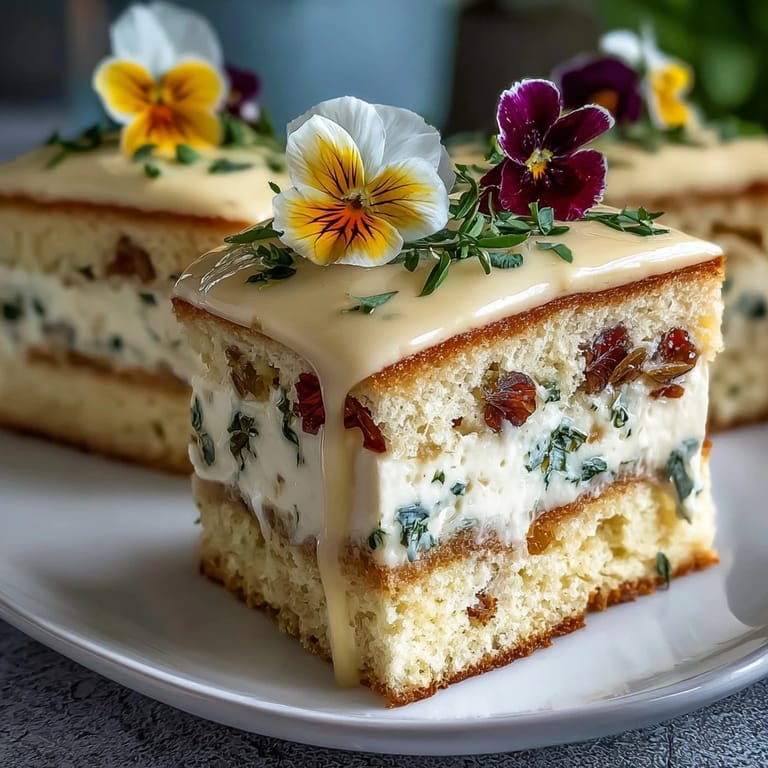
- Place one cooled cake layer on your plate, spread with lemon curd, then gently add the second layer. Frost lightly with whipped cream—the top and sides should look like soft drifts.
- Decorate with flowers:
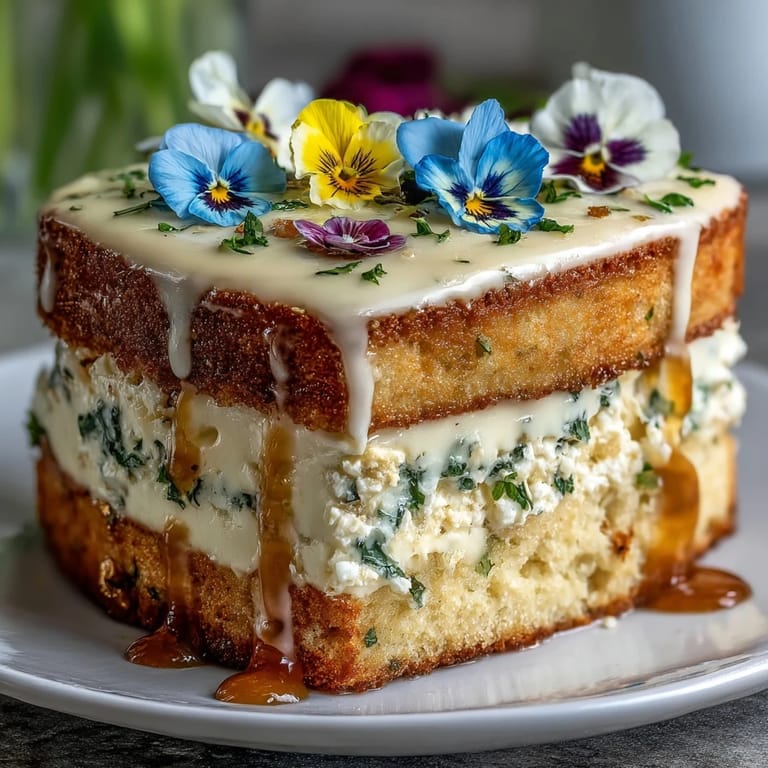
- Arrange pressed edible flowers over the surface, pressing them gently so they adhere without bruising.
- Chill and set:
- Refrigerate the finished cake for at least 30 minutes to help the decorations settle and the cream firm up.
 Pin it
 One spring evening, my neighbor stopped by with her young daughter, drawn by the cake’s display of little pansies and violets. The girl looked at it as if it was a fairy treat and asked if the flowers were real. I smiled, handed her a small slice, and watched her delight as she tasted edible petals for the first time. That moment made the cake feel more magical than any birthday candle or fancy plating could ever manage. Sometimes, the true joy is in sharing something unexpected and beautiful.
How to Press Edible Flowers at Home
Pressing flowers isn’t difficult and there’s no need for a dedicated kit—I just layer petals between sheets of parchment paper and slide them under a stack of cookbooks. After a week, they come out perfectly flat and vibrant, ready for cake decorating. When I first tried this, I worried about moisture, but gentle patting with a towel does the trick. If you’re working with delicate blooms, use extra paper layers for added protection. Picking flowers on a dry day is best—rain makes them too fragile.
Choosing the Perfect Lemon
The juiciest lemons often have a thin skin and give slightly when squeezed. I learned by accident that lemons left unrefrigerated produce slightly softer, more fragrant juice. Rubbing lemons with a towel before zesting helps release their oils and makes zest extraction easier. If you find the juice too tart, taste the curd after thickening and add a spoonful of sugar. Always zest before you juice—the skin is easier to manage whole.
Creative Decoration Tips for Spring Cakes
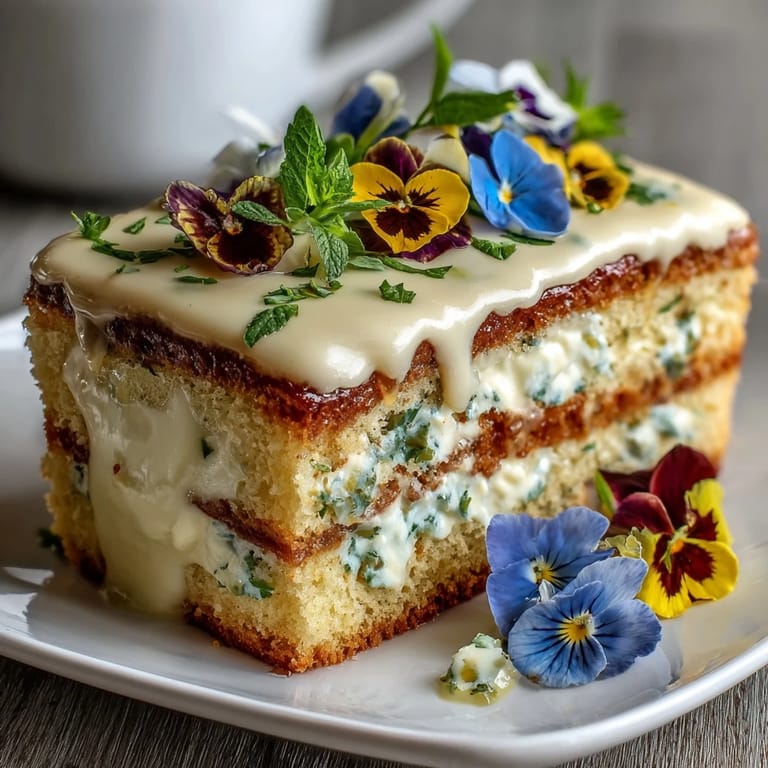
Try clustering flowers near the edges or making little rings for a playful look, but don’t overcrowd the top—less is sometimes more. If you want extra shine, brush flowers lightly with simple syrup just before serving. Mixing different flower shapes creates texture and makes each slice unique.
- Keep extra pressed flowers in a sealed container for quick touch-ups.
- If a flower cracks, place it underneath cream for a hidden pop of color.
- Always check for petals that might wilt during chilling before guests arrive.
 Pin it
 You’ll find every slice tastes a bit like spring—light, bright, and fragrant, with a bit of beauty in every bite. Enjoy the decorating, share a piece, and savor the fresh flavors with friends.
Recipe Questions & Answers
- → How do you ensure edible flowers are safe?
Choose organically grown flowers and verify they are free from pesticides and safe for consumption.
- → Can cake layers be prepared in advance?
Yes, bake and store layers wrapped at room temperature for up to one day before decorating.
- → What tools are essential for preparation?
An electric mixer, mixing bowls, cake pans, wire rack, offset spatula, and double boiler or heatproof bowl are useful.
- → What flowers work for decoration?
Pansies, violets, nasturtiums, and organic rose petals are excellent for visual appeal and flavor.
- → How can I enhance lemon flavor?
Brush cake layers with a little lemon syrup before assembling for extra citrus zing.
- → Can this dessert accommodate vegetarians?
Yes, it suits vegetarian diets as the ingredients contain no meat or gelatin.