 Pin it
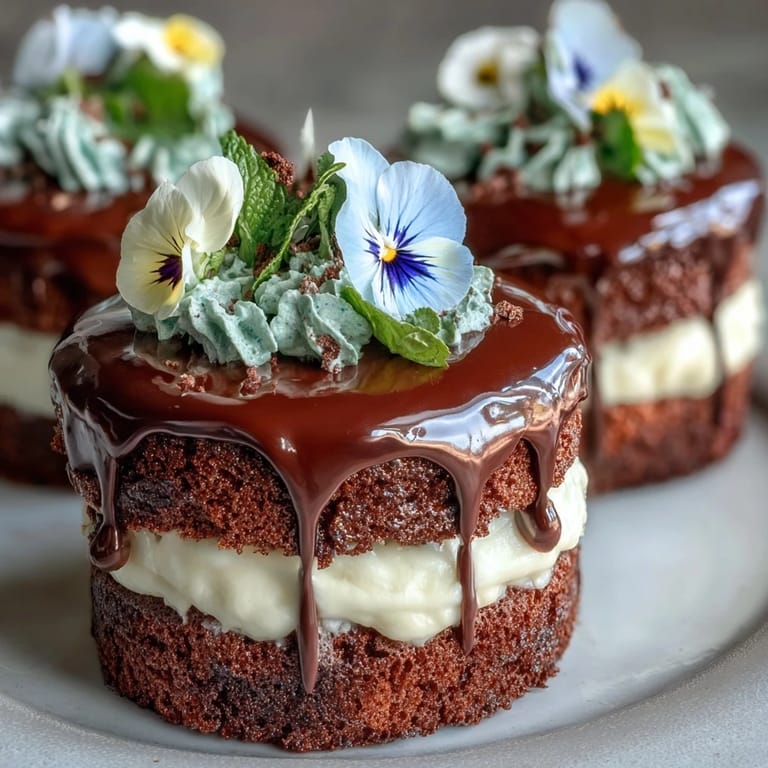
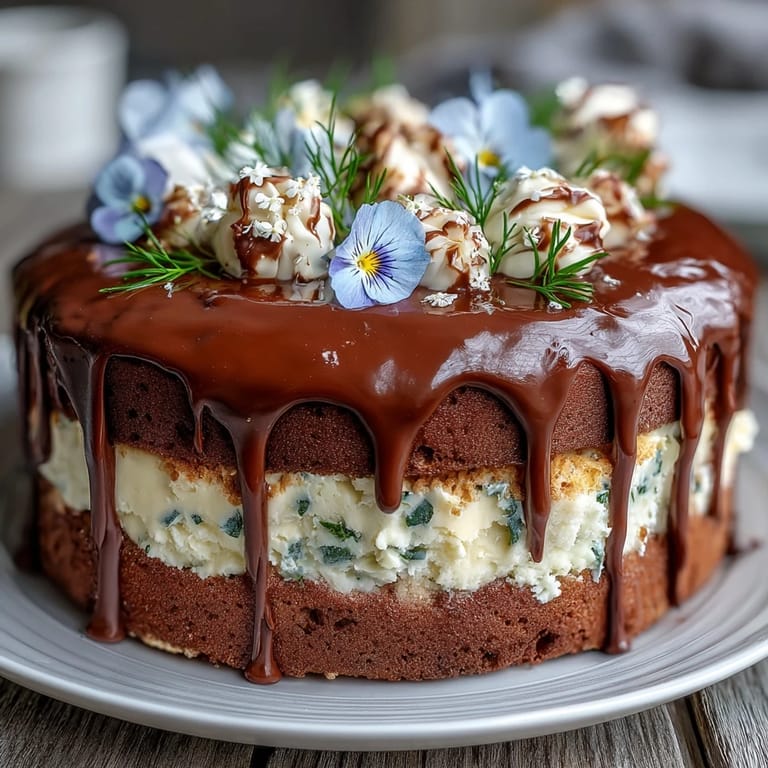
 Last spring, my neighbor showed up at my door with a photograph of a cake she'd seen at a local bakery—delicate edible flowers cascading across white frosting, a glossy chocolate drip that looked like liquid silk. She asked if I could recreate it for her daughter's birthday, and I'll admit, I was nervous about the flowers at first. But that afternoon, surrounded by zest and the bright smell of lemon, something clicked. This cake became my answer to every spring celebration that followed.
I made this cake for a friend's garden party on a Saturday afternoon when the sun felt warm but not punishing. She arranged the flowers herself, laughing nervously about whether they'd look "professional enough." When we set it on the table in the garden, everyone went quiet for a moment before rushing over. That's when I knew it wasn't just about taste—it was about creating something people wanted to remember.
Ingredients
- All-purpose flour (2 ½ cups): Use a light hand when measuring; spoon and level instead of scooping straight from the bag, which can pack it down and make your cake dense.
- Baking powder (2 ½ tsp): Check the expiration date—old baking powder won't give you the rise you're counting on.
- Unsalted butter (1 cup plus 1 cup for frosting): Softening it to room temperature is non-negotiable; cold butter won't incorporate properly and you'll end up with a grainy frosting.
- Granulated sugar (1 ¾ cups): This creams with the butter to trap air, so don't rush this step—3 to 4 minutes of beating really does matter.
- Eggs (4 large): Room temperature eggs mix smoothly into the batter; cold ones can cause lumps.
- Vanilla extract (1 tbsp): Use real vanilla if you can afford it; it transforms the cake from good to memorable.
- Whole milk (1 cup): Room temperature prevents shocking the batter and keeps the crumb tender.
- Powdered sugar (4 cups): Sifting it removes lumps and makes your frosting silky instead of gritty.
- Fresh lemon juice (2 tbsp) and zest (2 tsp): The juice gives tang, the zest provides complexity—don't skip either one.
- White chocolate chips (1 cup): Quality matters here since it's going to be visible; cheap chocolate tastes waxy.
- Heavy cream (⅓ cup): This creates a smooth ganache that drips beautifully without being runny.
- Edible flowers: Violets, pansies, and rose petals work wonderfully; source from a trusted florist or garden supplier, never from a regular flower shop.
Tired of Takeout? 🥡
Get 10 meals you can make faster than delivery arrives. Seriously.
One email. No spam. Unsubscribe anytime.
Instructions
- Get your mise en place ready:
- Preheat your oven to 350°F and take a moment to grease and line three 8-inch cake pans with parchment paper. Pull out all your ingredients and set them on the counter—this prevents the panic of realizing you forgot something halfway through.
- Build the dry mixture:
- Whisk together the flour, baking powder, and salt in a medium bowl, breaking up any lumps with your whisk. This distributes the leavening evenly, which is how you get layers that rise at the same rate.
- Cream the butter and sugar:
- In a large bowl, beat the softened butter and sugar together for 3 to 4 minutes until it looks pale and fluffy, almost like a cloud. You're incorporating air here, which is what gives the cake its tender crumb.
- Add eggs carefully:
- Add eggs one at a time, beating well after each addition so they fully incorporate. If you dump them all in at once, the mixture can look curdled and broken—don't worry, it'll come together, but patience here pays off.
- Introduce vanilla:
- Mix in the vanilla extract until you smell that sweet warmth spreading through the bowl. This is when you know something good is happening.
- Alternate wet and dry ingredients:
- Begin and end with the dry flour mixture, adding them alternately with the milk in three additions of flour and two of milk. Stir only until just combined after each addition; overmixing develops gluten and makes the cake tough.
- Divide and bake:
- Pour the batter evenly among the three pans and bake for 25 to 30 minutes until a toothpick inserted in the center comes out clean. The kitchen will smell incredible—like a vanilla cloud—which is your signal you're on the right track.
- Cool with patience:
- Let the cakes rest in their pans for 10 minutes, then turn them out onto wire racks to cool completely. Frosting a warm cake is a recipe for disaster, so take a break, make tea, do something else.
- Make the lemon frosting:
- Beat the softened butter until it's creamy, then gradually add the sifted powdered sugar, beating until smooth and fluffy. Mix in the lemon juice and zest, then add milk a tablespoon at a time until you reach a spreadable consistency.
- Layer and frost:
- Level your cooled cakes if the tops domed (a serrated knife or cake leveler works), then place one layer on a serving plate. Spread a generous layer of frosting on top, repeat with the second layer, then frost the entire cake—sides and top—until it looks smooth and finished.
- Create the white chocolate drip:
- Heat the heavy cream until it just begins to steam and shimmer around the edges, then pour it over chopped white chocolate in a heatproof bowl. Let it sit for 2 minutes without stirring, then gently stir until the chocolate melts into a glossy ganache.
- Tint if you'd like:
- Add a tiny drop of gel food coloring if you want pastel shades, stirring gently to distribute the color evenly. A little goes a long way with gel colors.
- Apply the drip:
- Let the ganache cool until it's slightly thickened but still pourable, then use a spoon or squeeze bottle to drip it around the edge of the cake, letting gravity do the work. Pour the remaining ganache over the top and spread it gently with an offset spatula.
- Finish with flowers:
- Arrange your edible flowers on top of the cake while the ganache is still slightly set so they stick a bit. Add sprinkles or extra lemon zest if you want more texture and brightness.
 Pin it
 The day I brought this cake to a community bake sale, someone asked if I'd bought it from a professional bakery. I said no, and watched their face change—not in disbelief, but in that special way people look when they realize you made something beautiful with your own hands. That moment taught me that cakes are never just dessert.
Why This Cake Feels Special
This isn't a complicated recipe, but it has elements that make people think it is—the multiple layers, the elegant drip, the edible flowers. That's the secret: it looks sophisticated because you've given it attention and care, not because it's technically difficult. The vanilla sponge is forgiving, the lemon frosting tastes bright without being harsh, and the white chocolate ganache adds a luxe finish that feels earned.
Sourcing Edible Flowers Safely
This might be the most important step, honestly. Flowers from a regular florist are treated with pesticides and chemicals that aren't food-safe. Instead, order edible flowers from specialty cake suppliers, farmers markets, or grow your own in a dedicated section of your garden. I learned this the hard way when someone asked me mid-party whether the flowers were actually safe to eat—now I always verify and keep the packaging to show guests. Violets and pansies are my go-to because they're readily available, pretty, and have a slightly delicate flavor that doesn't overpower the cake.
Timing and Make-Ahead Tips
You can bake the cake layers up to two days ahead and store them wrapped tightly at room temperature or in the fridge. The frosting can be made a day early and refrigerated; just let it soften slightly before spreading it. The white chocolate ganache should be made a few hours before serving so it sets properly but doesn't get too firm. This way, you're not stressed on the day of your event—you're just assembling something beautiful that's already half-finished.
- Bring the cake to room temperature before serving for the best flavor and texture.
- Store leftover cake in the refrigerator for up to 3 days; bring it back to room temperature or serve it slightly chilled depending on your preference.
- If you're making this for a special occasion, assemble everything the morning of and refrigerate until an hour before guests arrive.
 Pin it
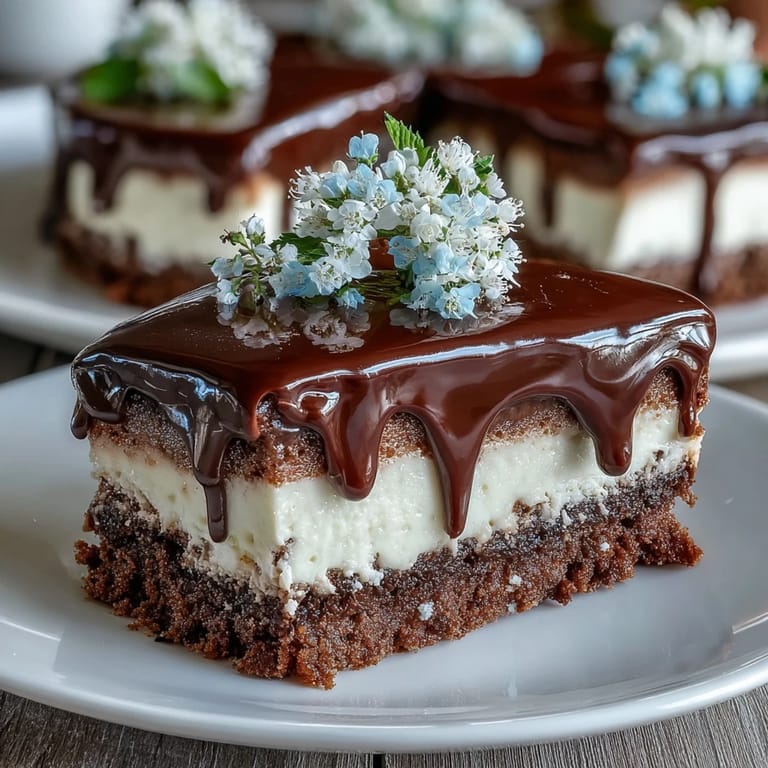
 This cake has become my spring answer to everything—a birthday, a thank you, a reason to celebrate someone. The combination of bright lemon, soft cake, and those delicate flowers on top makes people feel seen and celebrated.
Recipe Questions & Answers
- → How do I ensure the white chocolate drip sets properly?
Heat the cream just until simmering and pour it over the white chocolate. Stir gently until smooth, then cool until slightly thickened but still pourable for a perfect drip effect.
- → Can I use other edible flowers for decoration?
Yes, use pesticide-free edible flowers like violets, pansies, or rose petals to add a natural and colorful touch to the cake.
- → How can I keep the lemon frosting creamy and smooth?
Beat the butter until creamy before gradually adding sifted powdered sugar. Mix in fresh lemon juice and zest, adding milk as needed to reach a spreadable consistency.
- → What’s the best way to bake the vanilla sponge evenly?
Divide the batter evenly among pans and bake at 350°F (175°C). Use parchment paper and allow the cakes to cool in pans before turning out onto wire racks.
- → Is there a substitute for all-purpose flour for gluten-free needs?
You can substitute a 1:1 gluten-free flour blend to accommodate gluten sensitivities while maintaining texture.