 Pin it
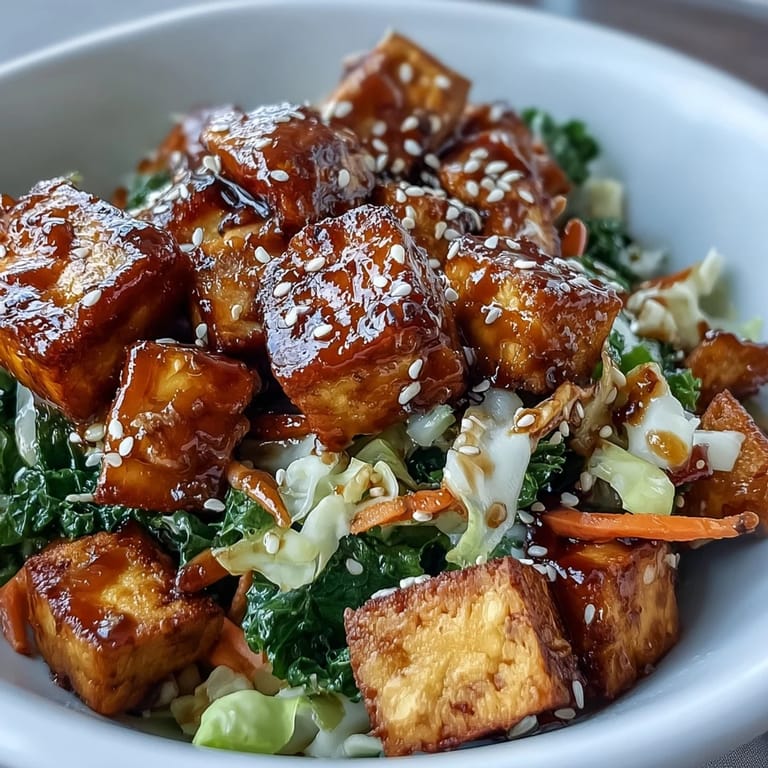
 There was a Wednesday night when I opened my fridge to find it nearly empty except for a block of tofu, half a head of cabbage, and some wilting greens. I needed dinner fast, and what came together was this bowl—bright, satisfying, and somehow tasting like the crispy egg rolls I loved but actually good for me. My partner walked in halfway through cooking, drawn by the smell of tofu hitting hot oil, and asked what magic I was making. That's when I knew this one was a keeper.
I made this for my friend who'd just gone vegan, and I was nervous it would feel like I was serving her a sad salad. But watching her scrape the bowl clean and ask for the recipe before she'd even finished chewing made me realize this dish transcends dietary labels—it's genuinely delicious, no asterisks needed.
Ingredients
- Extra-firm tofu, pressed and cubed: Pressing is non-negotiable here; it removes moisture so the edges get gloriously golden and crispy instead of staying rubbery.
- Cornstarch: This is the secret weapon that gives tofu that satisfying crunch—trust it.
- Neutral oil: Sunflower or canola works best; save the fancy sesame oil for the sauce where it matters.
- Green cabbage: Thinly sliced so it wilts slightly but keeps its snap, which is the whole textural point.
- Kale and spinach: Kale brings earthiness and chew; spinach wilts fast and adds iron.
- Carrot, julienned: Cut thin so it cooks through in minutes and stays bright, not mushy.
- Garlic and ginger: Mince these fine; they're aromatics that build the entire flavor foundation.
- Low-sodium soy sauce or tamari: Low-sodium lets you control saltiness and taste the umami, not just salt.
- Rice vinegar: Adds brightness and cuts through the richness without being aggressive.
- Toasted sesame oil: A little goes a long way; it's there to whisper, not shout.
- Maple syrup or agave: A touch of sweetness balances the savory and umami elements.
- White pepper: Less harsh than black pepper, it adds warmth without visible specks.
- Sesame seeds and green onions: These aren't just decoration—they add final crunch and fresh bite.
Tired of Takeout? 🥡
Get 10 meals you can make faster than delivery arrives. Seriously.
One email. No spam. Unsubscribe anytime.
Instructions
- Press and cube your tofu:
- Pat it completely dry with paper towels (seriously, don't skip this step), then cut into bite-sized cubes so every piece has a chance to crisp up.
- Coat and sear the tofu:
- Toss the cubes in cornstarch—it'll look like you're breading them, which is exactly right. Heat your oil until it shimmers and slides across the pan, then add tofu and let it sit undisturbed for 2 minutes per side so a golden crust forms instead of you stirring it into mush.
- Build your aromatics:
- Once the tofu's out, the pan is still hot and ready; add garlic, ginger, and green onions all at once and let them perfume the oil for exactly 1 minute—any longer and they'll burn, any shorter and they won't bloom.
- Add your vegetables strategically:
- Cabbage and carrot go in together since they take the same time; kale follows because it's tougher. Stir and keep the heat high so vegetables stay crisp and vibrant, not steamed into submission.
- Wilt the spinach last:
- Add it only in the final minute so it wilts from residual heat but retains its color and doesn't add extra moisture that will dilute your sauce.
- Make your sauce:
- Whisk everything together in a small bowl before adding it to the pan—this prevents clumps and ensures it coats evenly.
- Finish and toss:
- Return the tofu to the pan, pour the sauce over everything, and toss gently but thoroughly for about 2 minutes so every piece gets coated and the heat brings it all together into one cohesive dish.
 Pin it
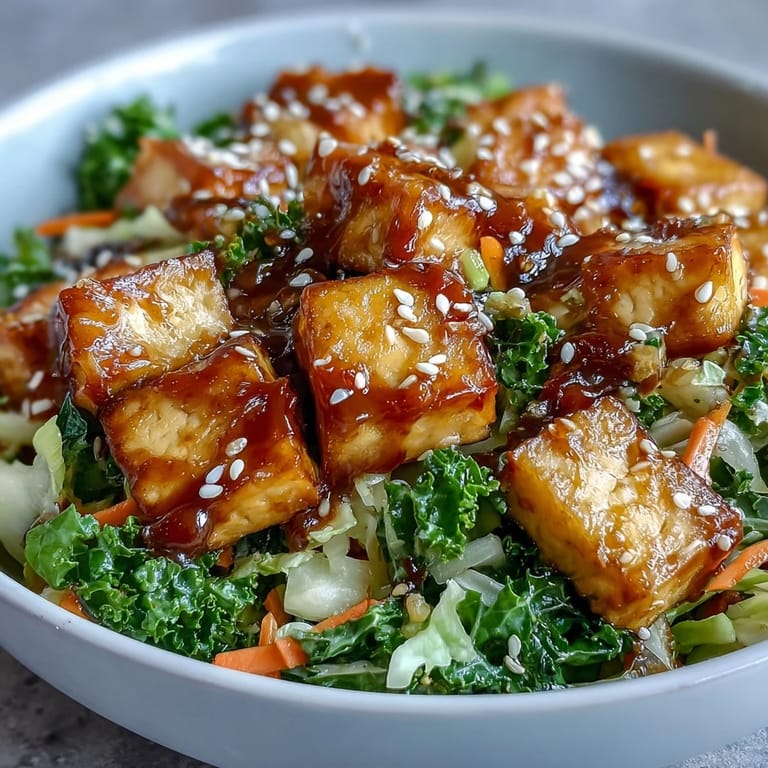
 There's a specific moment in this recipe when you pour the warm sauce over the hot vegetables and tofu and everything glistens together—it's the moment it stops being separate ingredients and becomes a complete dish. That moment is also when I stopped thinking about what I couldn't eat and started enjoying what was actually in front of me.
Why This Works as a Bowl
Unlike traditional egg rolls, nothing here gets wrapped or fried whole, which means you get the flavors you love without the oil overload. The cabbage stays crisp, the tofu stays golden, and the sauce coats everything instead of sitting in a puddle at the bottom. It's deconstructed in a way that's actually smarter, not just trendy.
Customizing Your Base
This bowl is flexible without being wishy-washy; you can swap vegetables without losing the identity. I've made it with bok choy when that's what I had, napa cabbage when I wanted something sweeter, and even added thinly sliced mushrooms without the dish falling apart. The key is keeping the ratio of crisp vegetables to sauce consistent so it doesn't become either dry or soupy.
Making It a Complete Meal
On its own, this is a light but satisfying main. But if you want something heavier, layer it over brown rice, quinoa, or rice noodles—the warm sauce soaks into grains beautifully and turns the whole thing into something you could eat with chopsticks or a spoon, depending on your mood. I've even served it cold the next day over chilled noodles and it was somehow better.
- Brown rice, quinoa, or rice noodles turn this into a bowl that fills you up without weighing you down.
- If you want extra crunch, top with crushed peanuts or crispy wonton strips right before serving so they stay crisp.
- Make the sauce ahead and store it separately so you can reheat everything without the vegetables getting overcooked.
 Pin it
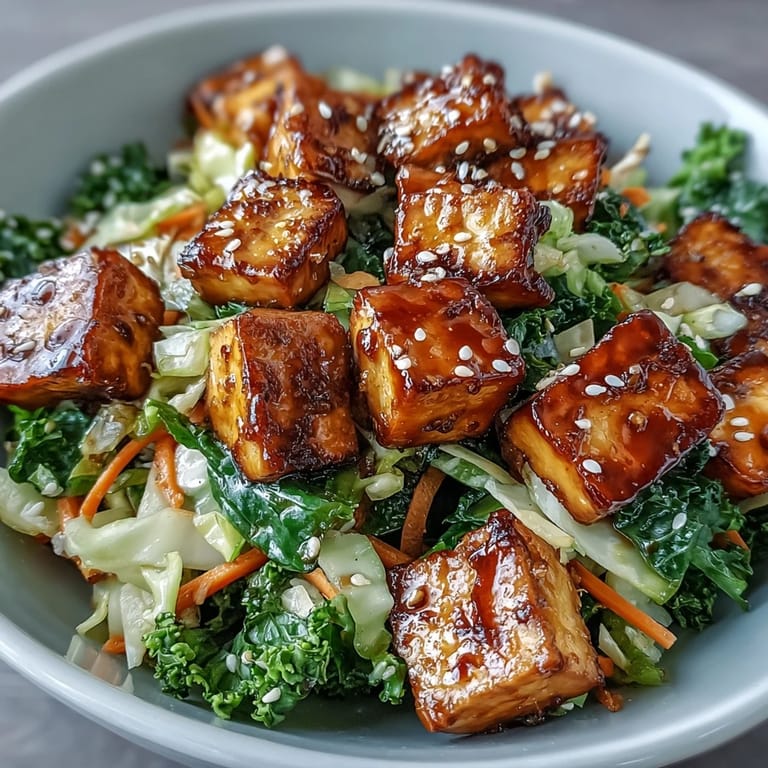
 This bowl changed how I think about plant-based cooking—it proved that you don't need to replicate animal products to make something genuinely craveable. It's the kind of dish that made me forget I was being healthy.
Recipe Questions & Answers
- → How do I press tofu for the best texture?
Press tofu using a tofu press or wrap it in paper towels and press gently to remove excess moisture. This helps achieve a firmer, crispier texture when cooked.
- → Can I substitute the kale with other greens?
Yes, bok choy or napa cabbage are excellent substitutions that maintain a vibrant texture and blend well with the sauce.
- → How long should I cook the vegetables to keep them crisp?
Stir-fry cabbage, kale, and carrot for 3-4 minutes so they remain tender yet crisp, preserving their freshness and color.
- → What can I use instead of soy sauce for a gluten-free version?
Tamari is a great gluten-free alternative to soy sauce that retains the rich umami flavor essential for this dish.
- → How can I add extra crunch to this bowl?
Top the dish with crushed peanuts or crispy wonton strips for a pleasant crunch, keeping in mind any dietary restrictions.
- → Is it necessary to coat tofu with cornstarch before frying?
Coating tofu lightly with cornstarch helps create a crispy outer layer when pan-fried, enhancing its texture and flavor absorption.