 Pin it
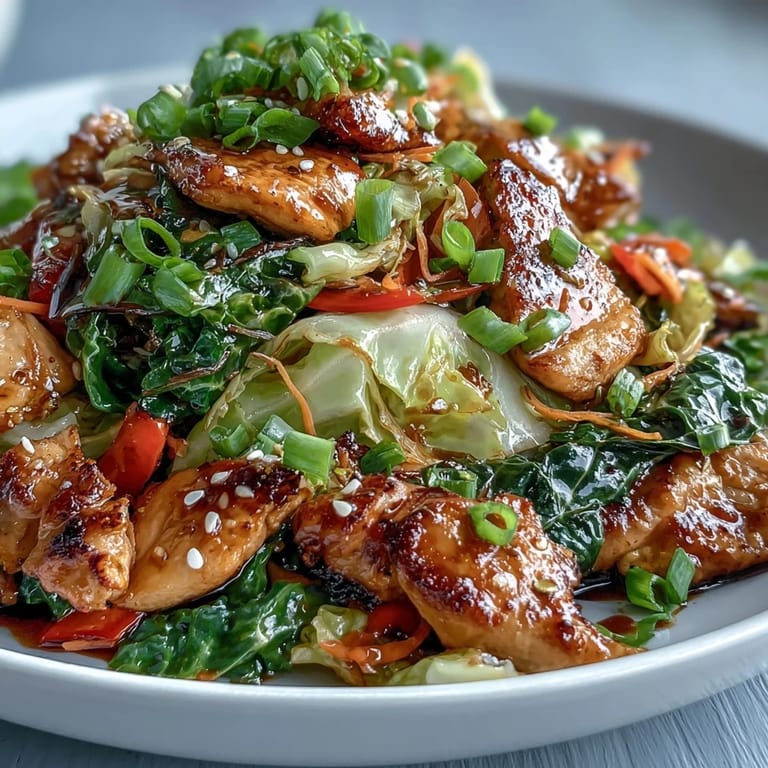
 My mom used to toss cabbage into everything, claiming it stretched meals without anyone noticing. I thought she was just being thrifty until I made this stir-fry on a night when the fridge was nearly empty and the grocery run kept getting postponed. Turns out, cabbage isn't filler at all when you let it sear in a hot pan with ginger and garlic, soaking up that glossy, salty-sweet sauce. The chicken stayed tender, the vegetables kept their snap, and I finally understood why she smiled every time she pulled out a head of cabbage.
I served this to friends who claimed they didn't like cabbage, watching them go back for seconds without saying a word. One of them finally asked what the crunchy, slightly sweet vegetable was, and when I told her it was cabbage, she laughed and admitted she'd been avoiding it since childhood. We ended up talking about all the foods we thought we hated until someone cooked them right, and this dish became the example we kept coming back to.
Ingredients
- Boneless, skinless chicken breast or thighs (500 g): Thighs stay juicier and more forgiving if you overcook them slightly, but breast works beautifully if sliced thin and cooked fast over high heat.
- Green cabbage (1 small head, about 600 g): Slice it thin so it cooks quickly and gets those crispy, caramelized edges that make this dish addictive.
- Carrot (1 medium, julienned): Adds a pop of color and a slight sweetness that balances the salty sauce.
- Red bell pepper (1, thinly sliced): It softens just enough while keeping a little crunch, and the red makes the whole dish look vibrant.
- Green onions (3, sliced): Stir them in at the end so they stay bright and fresh, adding a sharp contrast to the cooked vegetables.
- Soy sauce (3 tbsp): The backbone of the sauce, use tamari if you need it gluten-free.
- Oyster sauce (1 tbsp): This is where the deep, savory richness comes from, check the label if you have shellfish allergies.
- Hoisin sauce (1 tbsp): Adds a hint of sweetness and complexity that rounds out the flavors.
- Rice vinegar (1 tbsp): Cuts through the richness with a gentle tang that keeps everything balanced.
- Sesame oil (2 tsp): A little goes a long way, it adds that toasty, nutty aroma that smells like a real stir-fry.
- Cornstarch (2 tsp): Mixed with water, it thickens the sauce just enough to cling to every piece of chicken and vegetable.
- Sugar (1 tsp): Balances the salty and sour notes, you won't taste it as sweetness, just harmony.
- Vegetable oil (2 tbsp): High smoke point oil is essential for getting that sear without burning.
- Garlic (3 cloves, minced): Don't skip this, the smell when it hits the hot oil is half the reason to make this dish.
- Fresh ginger (1-inch piece, grated): Adds warmth and a slight spice that makes the whole dish feel alive.
Tired of Takeout? 🥡
Get 10 meals you can make faster than delivery arrives. Seriously.
One email. No spam. Unsubscribe anytime.
Instructions
- Mix the Sauce:
- In a small bowl, whisk together soy sauce, oyster sauce, hoisin sauce, rice vinegar, sesame oil, cornstarch, water, and sugar until smooth. Set it aside so the cornstarch doesn't settle at the bottom.
- Cook the Chicken:
- Heat 1 tablespoon vegetable oil in a large skillet or wok over medium-high heat, then add the chicken in a single layer and let it sear without moving it for a minute or two before stirring. Cook for 4 to 5 minutes until golden and cooked through, then remove it to a plate.
- Sauté the Aromatics:
- Add the remaining tablespoon of oil to the same pan, toss in the garlic and ginger, and stir for about 30 seconds until the kitchen smells amazing. Don't let them burn or they'll turn bitter.
- Stir-Fry the Vegetables:
- Add the cabbage, carrot, and bell pepper, stirring constantly so everything cooks evenly and the cabbage starts to soften and brown at the edges. This takes 3 to 4 minutes, and you want them crisp-tender, not mushy.
- Combine and Coat:
- Return the chicken to the pan, pour in the sauce, and toss everything together so every piece gets coated. Cook for 2 to 3 minutes, stirring often, until the sauce thickens and clings to the chicken and vegetables.
- Finish and Serve:
- Stir in the green onions, taste, and adjust with a splash more soy sauce or vinegar if needed. Serve hot, with rice or noodles if you want to stretch it into a full meal.
 Pin it
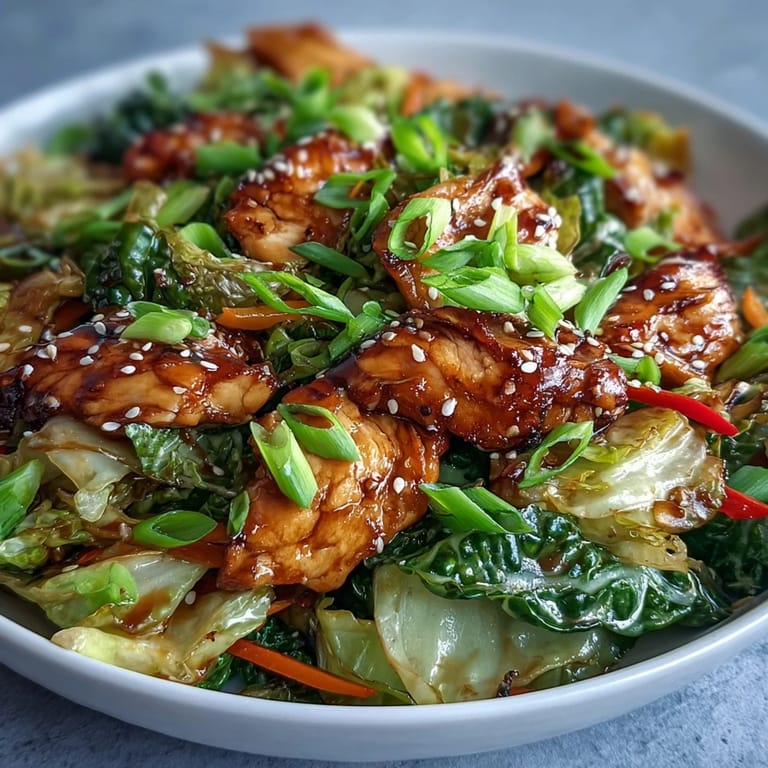
 This became my go-to when I needed to feel like I had my life together on a weeknight. The rhythm of slicing, the sizzle of the pan, the way the sauce bubbled and thickened, it all felt like a small accomplishment. My partner started requesting it by name, and now it's the dish I make when I want dinner to feel easy and special at the same time.
How to Get the Best Texture
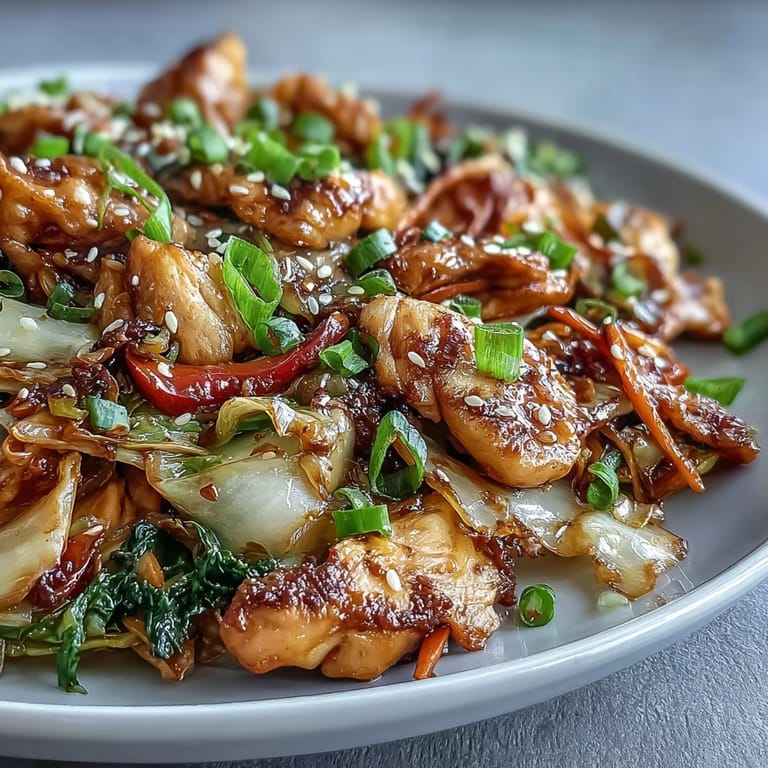
The secret is heat and speed, everything cooks fast so the vegetables stay crisp and the chicken doesn't dry out. I learned this after a few sad, soggy attempts when I turned the heat down too low and everything steamed instead of seared. Now I preheat the pan until a drop of water sizzles and evaporates instantly, and I keep everything moving with a wooden spoon or spatula. The cabbage should have some charred edges and still have a little crunch, and the chicken should be golden on the outside and juicy inside.
Swaps and Variations
If you don't eat chicken, swap it for firm tofu that you've pressed and cubed, or use shrimp for a lighter version that cooks even faster. I've also made this with thinly sliced pork when that's what I had on hand, and it worked beautifully. For extra heat, add a pinch of chili flakes or a drizzle of chili oil at the end, and if you want more vegetables, throw in snap peas, broccoli florets, or mushrooms during the stir-fry step. It's forgiving and adaptable, which is why it never gets boring.
Serving and Storing
I usually serve this over jasmine rice because the fluffy grains soak up the extra sauce, but it's also great with brown rice or even rice noodles if you want something different. Leftovers keep well in the fridge for up to three days, and I reheat them in a hot skillet with a splash of water to bring the sauce back to life. Sometimes I eat the leftovers cold straight from the container for lunch, and honestly, it's just as good.
- Make sure your pan is screaming hot before you start cooking.
- Slice everything ahead of time so the cooking part goes fast.
- Taste the sauce before serving and adjust with more vinegar or soy sauce to your liking.
 Pin it
 This dish reminds me that good food doesn't have to be complicated or expensive, just made with attention and a little heat. I hope it becomes one of those recipes you turn to when you need dinner to feel like a win.
Recipe Questions & Answers
- → Can I use a different protein instead of chicken?
Yes, you can easily swap chicken for tofu, shrimp, or thinly sliced beef. Adjust cooking times accordingly—tofu needs about 3-4 minutes per side, shrimp cooks in 2-3 minutes total.
- → How do I make this stir-fry gluten-free?
Use tamari instead of regular soy sauce and check that your oyster sauce and hoisin sauce are certified gluten-free. Many brands now offer gluten-free versions of these condiments.
- → What can I serve with this stir-fry?
Serve over steamed jasmine rice, brown rice, cauliflower rice, or Asian noodles like lo mein or rice noodles. It's also delicious on its own as a low-carb option.
- → Can I prep the ingredients ahead of time?
Absolutely! Slice the chicken and vegetables up to 24 hours in advance and store them separately in the refrigerator. Mix the sauce and refrigerate. This makes cooking even faster on busy nights.
- → How do I keep the cabbage crisp and not soggy?
Cook over high heat and avoid overcrowding the pan. Stir-fry the vegetables for only 3-4 minutes so they remain crisp-tender. Don't add the sauce until the end to prevent steaming.
- → Can I add more vegetables to this dish?
Yes, snap peas, mushrooms, broccoli, or bok choy work wonderfully. Add harder vegetables like broccoli earlier in the cooking process and leafy greens at the very end.