 Pin it
 My neighbor handed me a bunch of radishes from her garden last spring, still dusty from the soil, and I had no idea what to do with them beyond the usual sandwich routine. That evening, I started slicing them thin alongside some cucumbers, and something clicked—the peppery bite against cool, crisp vegetables felt like the salad version of a conversation between two flavors that actually wanted to talk to each other. I threw together a quick vinaigrette with dill because it was growing wild on my porch, and suddenly I had something that tasted like springtime in a bowl.
I made this for a casual dinner party where everyone was tired of heavy salads, and watching people actually ask for seconds felt like winning something. One guest mentioned she'd never had radishes outside of a raw vegetable platter at her office, and tasting them this way seemed to shift something in how she thought about them. That's when I realized simple salads have this quiet power—they can change how someone relates to a vegetable.
Ingredients
- Large cucumbers: English or hothouse varieties work beautifully here because they're less watery than standard ones, keeping your salad crisp instead of soggy after sitting.
- Radishes: Don't sleep on the variety—Easter Egg or Watermelon radishes add visual surprise, though classic red ones are reliable and peppery.
- Scallions: The white and pale green parts give you a subtle onion note without overwhelming the delicate vegetables.
- Extra virgin olive oil: This is your base, so choose one that tastes good to you—something with character makes a real difference.
- White wine vinegar: It's mild and won't turn the salad acidic-tasting, but apple cider vinegar works if you want a slightly deeper flavor.
- Dijon mustard: A teaspoon acts as an emulsifier and adds a whisper of sophistication that ties everything together.
- Honey: Just enough to balance the vinegar's sharpness without making this a sweet salad.
- Fresh dill: Use it generously—dried dill feels ghostly by comparison, and the fresh herb is what makes this salad sing.
Tired of Takeout? 🥡
Get 10 meals you can make faster than delivery arrives. Seriously.
One email. No spam. Unsubscribe anytime.
Instructions
- Prep your vegetables:
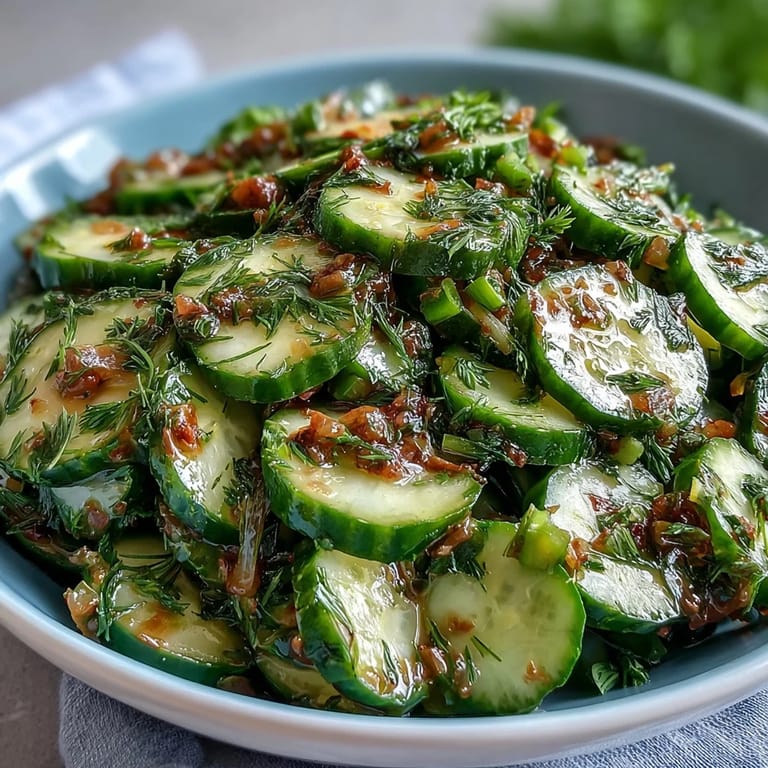
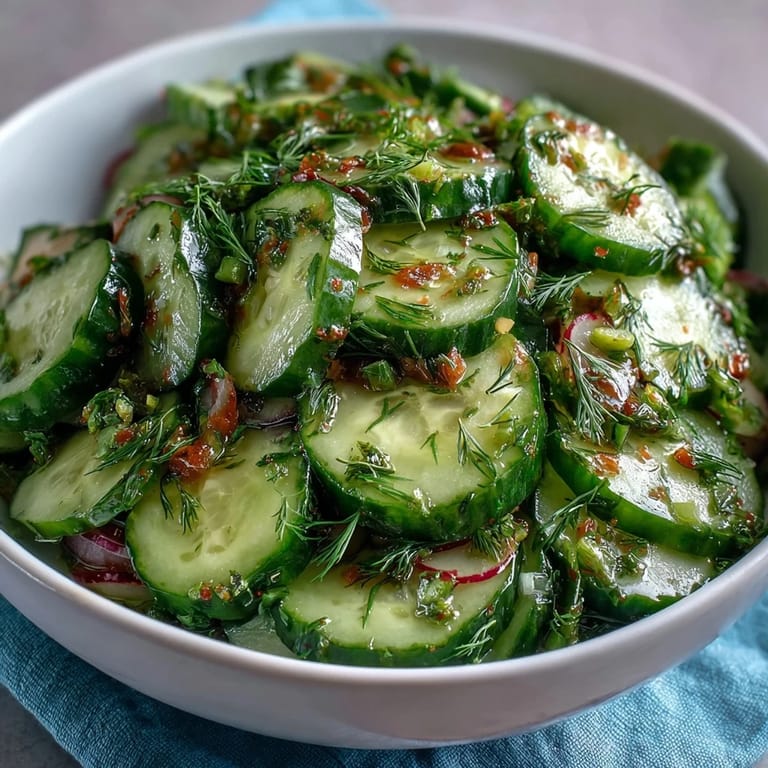
- Slice cucumbers and radishes thin enough to yield slightly, roughly the thickness of a coin, so they drink in the vinaigrette. Stack the scallions and cut them at an angle for a nicer presentation.
- Build your bowl:
- Toss everything into a large bowl together—the vegetables can sit in here while you make the vinaigrette without any harm coming to them.
- Make the magic happen:
- Whisk oil, vinegar, mustard, and honey in a small jar or bowl until it looks emulsified and slightly thickened. The mustard is your secret agent here, helping the oil and vinegar actually become friends instead of just sitting in the same container.
- Combine and marry the flavors:
- Pour the vinaigrette over the vegetables and toss gently so everything gets coated without bruising the radish slices. A light hand here means better texture and prettier presentation when it hits the table.
- Let it rest:
- Give it 5 to 10 minutes to sit—this isn't laziness, it's chemistry allowing the flavors to actually get to know each other.
 Pin it
 There's something about serving a salad this straightforward that reminded me why cooking doesn't always need to be complicated to feel thoughtful. My partner actually paused mid-bite to comment on how refreshing it was, which is his way of saying I'd done something right.
The Art of Slicing
The thickness of your vegetables matters more than you'd think in a raw salad where there's nowhere to hide. A mandoline is helpful if you have one and aren't afraid of it, but honestly, a sharp chef's knife and a steady hand work just as well and give you better control. I learned the hard way that uneven slices cook (or in this case, wilt) at different rates, so spending an extra minute making them roughly the same thickness is time invested in the final bite.
Vinaigrette Variations Worth Trying
Once you understand the 3-to-1 ratio of oil to vinegar, you can play with this formula endlessly. I've swapped in red wine vinegar for a deeper color, used sherry vinegar for something more mellow, and even tried champagne vinegar when I was feeling fancy. The dill is the signature here, but tarragon or parsley step in beautifully if you're out of fresh herbs or want a different direction.
Serving and Storage Ideas
This salad is happy served cold, at room temperature, or even slightly warm if your other dishes are hot. It keeps its composure in the refrigerator for a couple of days, though honestly it's best within the first day when the vegetables are still at peak crunch. If you're meal prepping, keep the vinaigrette separate and dress the salad just before eating to preserve that crisp texture.
- Pair it alongside grilled fish, roasted chicken, or simply with good bread and cheese for a light lunch.
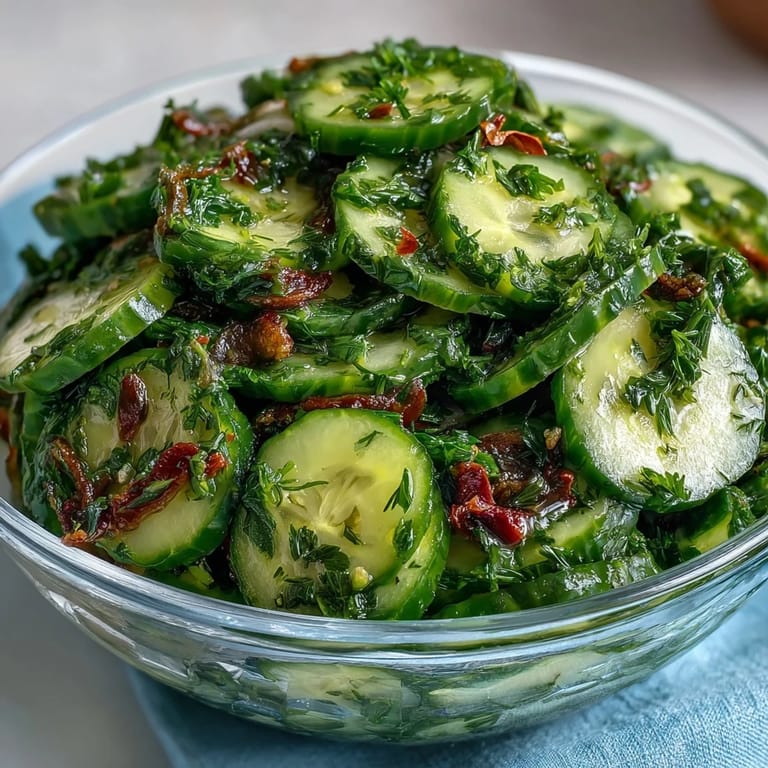
- Sneak extra dill on top right before serving for visual appeal and an herbal flavor boost.
- Add shaved cheese like Pecorino or Parmesan if you want to push it from side dish into something more substantial.
 Pin it
 This is the kind of salad that reminds you why vegetables deserve respect and why simple food cooked with intention tastes better than complicated food made on autopilot. Make it once and you'll find yourself reaching for it again when you need something that feels fresh and honest.
Recipe Questions & Answers
- → What is the best way to slice the vegetables?
Thin, even slices of cucumbers, radishes, and scallions ensure a balanced texture and flavor in each bite.
- → Can I substitute any ingredients in the vinaigrette?
Yes, apple cider vinegar can replace white wine vinegar for a tangier flavor, and olive oil can be swapped with avocado oil if preferred.
- → How long should the salad rest before serving?
Letting the salad sit for 5 to 10 minutes allows the flavors to meld and enhances the overall taste.
- → Is this salad suitable for special diets?
Yes, the salad is vegetarian and gluten-free, but check mustard ingredients if allergies are a concern.
- → What additions can add more crunch to the salad?
Thinly sliced celery or fennel can be added for extra texture and a layered crunch.